
Adaptation
I learned early that standing out has consequences.
In a school system without uniforms — where blending in is a form of safety — my clothes did the opposite. They marked me. Not as bold or expressive. Just different. Not a statement. Not rebellion. But as a deliberate punishment meant to suffocate my wild spirit.
First day of Grade 6.
A new school.
A bigger social hierarchy.
Dressed in boys’ hand-me-downs. Old sneakers. Hair cropped haphazardly.
A teacher asked if I was my sister’s younger brother.
The teasing came quickly. Naturally — kids can be mean. But the boys’ clothes and cropped hair weren’t even the worst of my forced wardrobe.
And still — I didn’t disappear.
I adapted. I layered. I tied cardigans around my waist. Even when I wore girls’ clothing — still hand-me-downs — I learned how to construct something resembling acceptability by adding quirks that made the outfit look intentional.
I didn’t have the language for resilience then, but I was practising it daily. Making myself legible without making myself smaller. Learning how to hold myself together under constant correction.
What people told me years later surprised me. They thought I was confident. Eccentric. Someone who just did her thing.
That’s not how it felt inside.
Inside, I was surviving.
But survival teaches you something invaluable: you don’t owe the world a softer version of yourself just because it is uncomfortable with your strength.
At the time, I was mortified by my lack of style — but I had bigger problems to worry about than what people thought of me. In hindsight, I was already learning how not to disappear.
That lesson stayed with me.
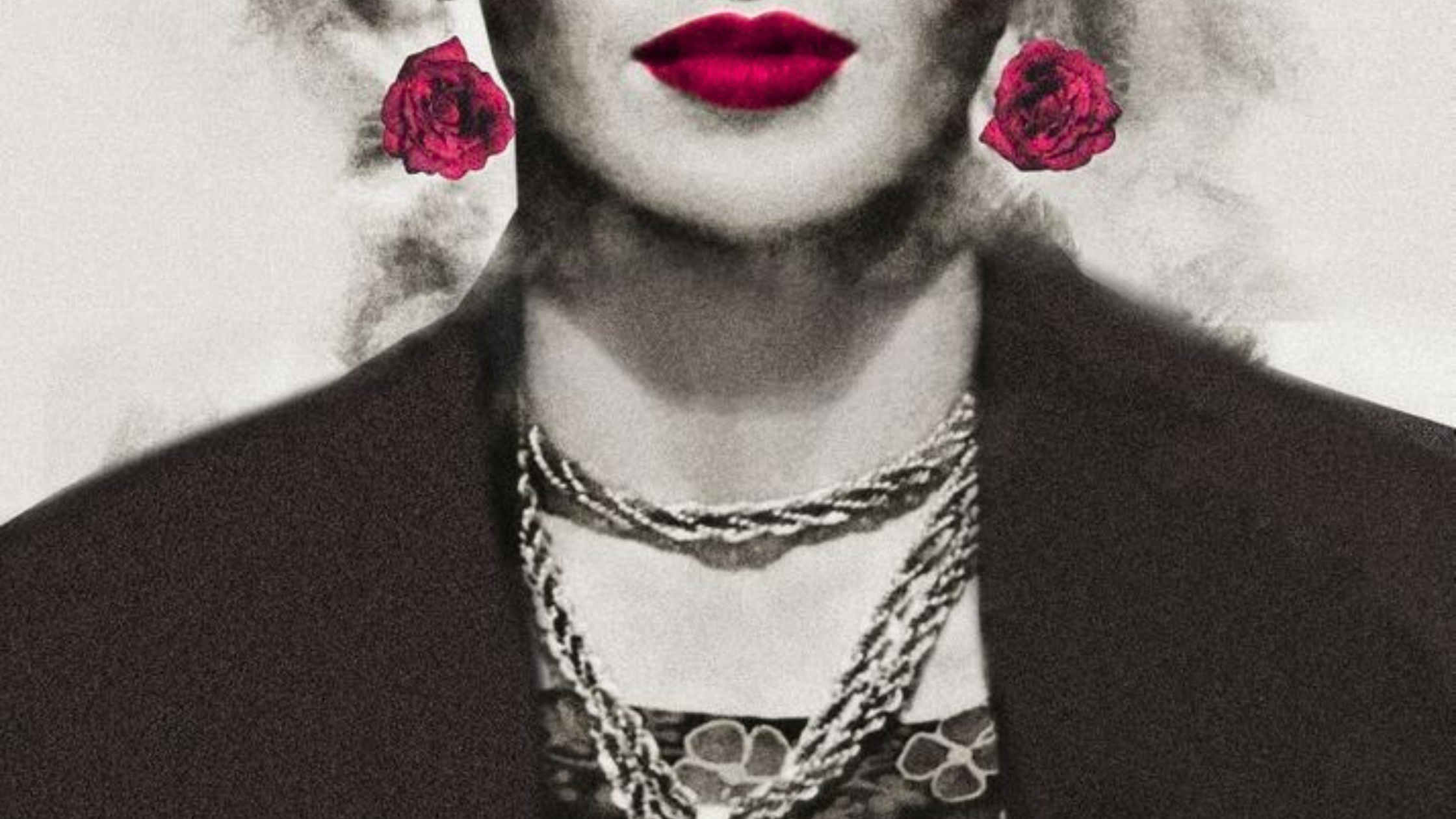
Long before I encountered Frida Kahlo consciously, I was already living in the tension she knew so well — between visibility and vulnerability. Between being seen and being safe. Between adapting just enough to survive, without erasing myself entirely.
She didn’t teach me that tension.
She named it.
She didn’t change who I was. She showed me that survival didn’t require erasure.
This is part 2 of a series on Frida Kahlo — not as an icon, but as survival.